
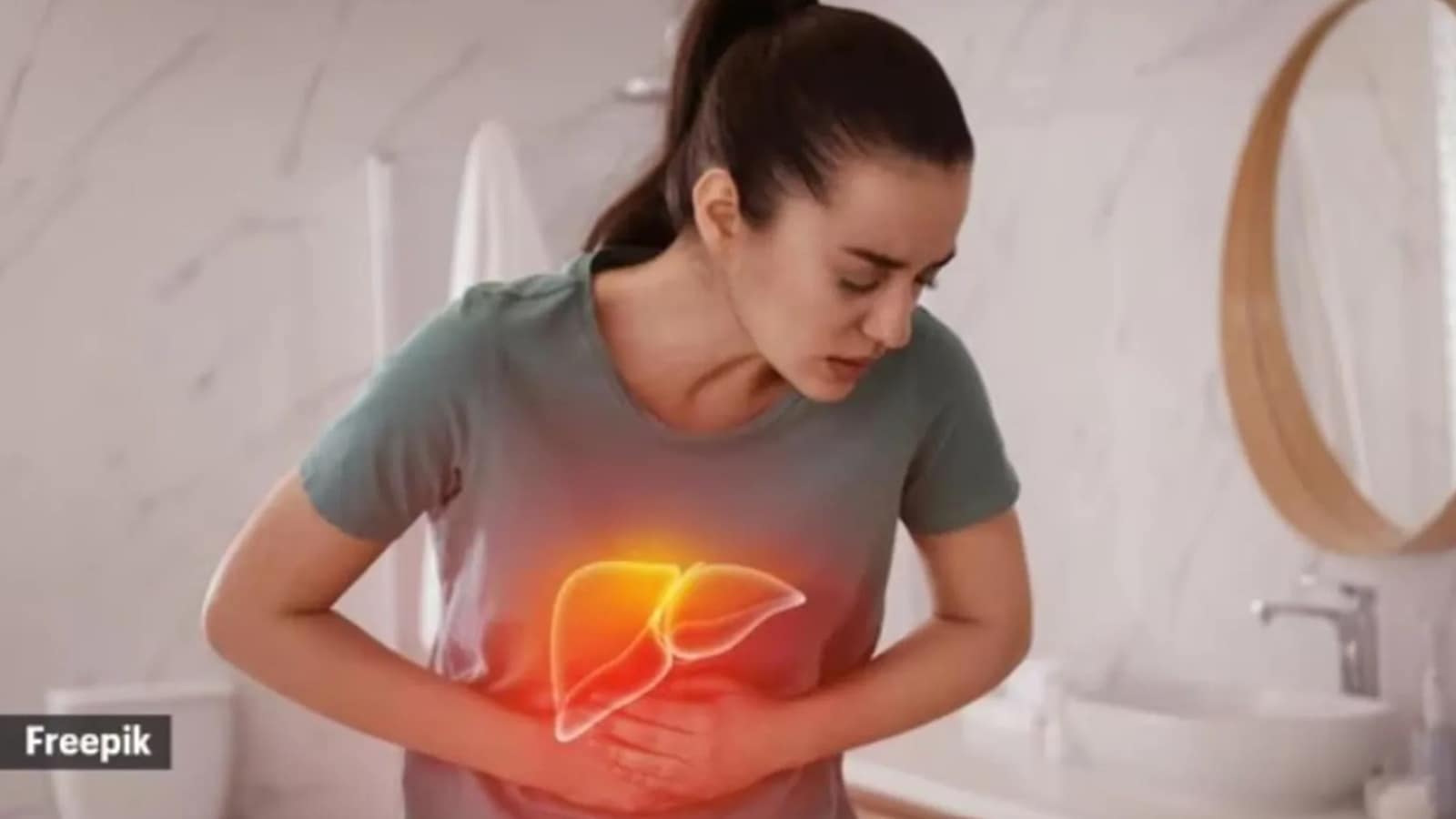
A 24-year-old woman had got her first job as an executive at a multinational company in Mumbai and like everybody else, quickly blended in, celebrating a hard week of work with a couple of breezers or beer over the weekend. On weekdays, she kept to her discipline of exercise and sleep at the right time as she wanted to be in peak form while working instead of falling ill. Yet over months, she developed a dull pain in her upper abdomen which became persistent, particularly on a Sunday and Monday, after her weekend of drinking. She even began to have swelling and acidity after meals. And then she was diagnosed with grade 2 fatty liver.
“She was shocked because she didn’t drink every day, never drank alone and did so only with peers on a weekend. Of course, she didn’t stop at one drink but would have no more than three, four at a stretch. It felt normal because her colleagues around her were doing the same. Friday evenings are usually office reward or unwinding parties. Her body weight and other parameters in her blood were within range. Neither was she alcohol-dependent. Yet her liver had protested,” says Dr Akash Shukla, Director, Hepatology, at Sir H N Reliance Foundation Hospital, Mumbai. And although liver disease is multifactorial, since the young woman came clean on the usual body weight-blood sugar-cholesterol-hypertension spectrum, it was clear the alcohol was the trigger.

In fact, the condition of her liver improved as soon as she stopped drinking alcohol. “Soon her acidity and bloating disappeared and she managed to reverse her fatty liver in four to six weeks,” adds Dr Shukla.
She is not the only woman who has complained of fatty liver despite drinking only socially. “I see one such case among women in their 20s and early 30s almost every fortnight,” says Dr Shukla. A large intake of alcohol at one go, like the kind that happens in corporate night outs, can be much more damaging than if one drinks the same amount over a longer period. A research by Oxford and Cambridge universities had shown that bingeing may be up to four times as damaging for the liver. In the UK, a binge is considered as drinking six or more units of alcohol in one sitting for women, and eight or more for men. That is two large glasses of wine for a woman.
“A bout of drinking one after another can be more harmful to the liver than steady, moderate drinking because it overwhelms the organ’s ability to break down alcohol, leading to a rapid buildup of toxic byproducts, swelling and inflammation. Anything more than three drinks in about two hours qualifies as binge. This can damage the liver more quickly than gradual alcohol consumption,” says Dr Lohith U, senior consultant, Surgical Gastroenterology, Bariatric and GI oncology, Manipal Hospital, Bengaluru.
Why social drinking affects women more
Women can develop fatty liver faster than men even with just social drinking due to a combination of biological and lifestyle factors. “Women have a higher body fat percentage and lesser water, leading to higher blood alcohol concentrations from the same amount of alcohol. Women also have lower levels of enzymes that process alcohol in the stomach. This means higher alcohol concentrations in the bloodstream, which can reach the liver, damaging it. That’s why social drinking in women can contribute to fatty liver disease, especially if there is a regular pattern of a nightout drinking with friends,” says Dr Shukla.
And women are more vulnerable to liver damage if they have accelerators like insulin resistance, high cholesterol, high triglycerides and obesity. “I once saw a 32-year-old patient who would have four standard glasses of whisky over the weekend. She also had underlying cholesterol which she had not got tested. She came in with jaundice and a swelling of the stomach and feet. Her bilirubin level was at 15 mg/dL, considered critically high in adults. A slight stress and the liver gets affected,” says Dr Shukla.
Story continues below this ad
Dr Lohith saw a grade 2 fatty liver in a woman patient in her early 30s. “Apart from her social drinking, her lifestyle was topsy turvy. She was sleeping between 2 am and 2.30 am, not even sleeping for five hours and ordered most of her meals on food apps. So along with stopping alcohol, we had to work out a disciplined regime, asking her to sleep an hour earlier and wake up an hour later and have her breakfast by 10 am. Slowly, she built her rhythm by keeping to the same times everyday and sparing 30 minutes of exercise. She got better,” he says.
Why wine should no longer be seen as a woman’s drink
Although social drinking may not seem dangerous, the fact that women are progressively taking to the habit in their earlier years is widening their exposure to liver damage. “Then there is this culture of normalising wine as a woman-friendly drink. Fact is the health effects of wine are generally similar to other forms of alcohol. Work pressure means more working couples are drinking together over the weekends. So drinking is becoming a regular habit with younger women more likely to do episodic drinking and adopting drinking habits similar to men, potentially increasing their risk of alcoholic liver disease,” says Dr Shukla.
Are there genetic factors that women should be aware of?
Story continues below this ad
Regardless of whether you are a man or woman, some people may have genetic factors that make them more susceptible to liver damage from alcohol. Usually, an ultrasound can pick up fatty liver. “But if your inflammation is chronic, then the liver tissue can get scarred, which can impair liver function and lead to cirrhosis and even cancer. That can be assessed with a Fibroscan,” says Dr Lohith.
What about treatment?
While antifibrotic medications may be needed due to the damage to liver tissue, the best way to nurse a liver back to its original state is to have a diet rich in fresh fruits, vegetables and a good amount of protein. Address your co-morbidities alongside. “Treat your fatty liver like a wake-up call. After your diet, which involves cutting down on processed foods and takeaways, take to exercise. Even 30 minutes of physical activity or walk for five days a week can significantly reverse fatty liver,” says Dr Shukla.
link